


What to Check Before Renting a Nissan Patrol in Dubai
Quick Answer
Before renting a Nissan Patrol in Dubai, check the vehicle condition, tyre health, insurance excess, deposit, mileage allowance, fuel policy, Salik charges, driver requirements, permitted use, 4WD restrictions, and whether the size fits your parking and travel plans. It is a powerful SUV, but the agreement details matter.
Why the Nissan Patrol is popular in Dubai
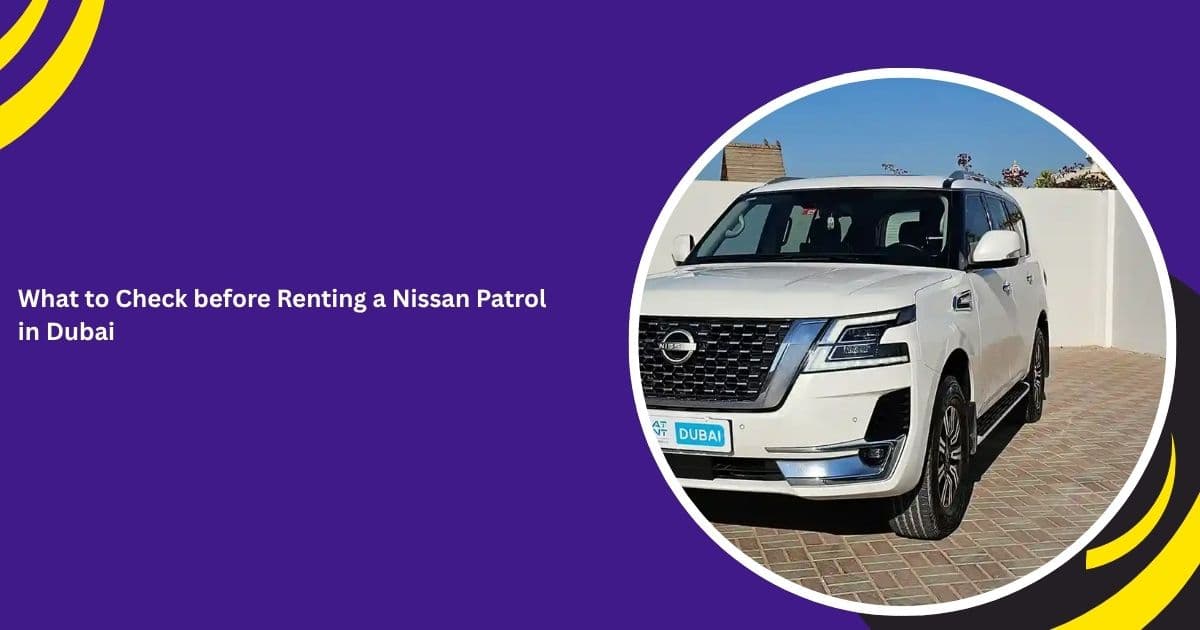
The Nissan Patrol has a strong reputation in the UAE because it suits local driving preferences: road presence, high seating, strong performance, family space, and comfort on long highways. It works well for Dubai city drives, Abu Dhabi trips, family outings, and premium SUV experiences.
For renters comparing large SUVs, the Patrol sits firmly in the SUV rental in Dubai category. It is more spacious and powerful than many crossovers, but it also comes with higher fuel use and stronger responsibility at handover.
The car is a good fit when space, comfort, and road confidence matter more than the lowest rental cost.
Check vehicle condition carefully
Large SUVs often have bigger wheels, wider bumpers, and more body panels to inspect. Take clear photos of the front bumper, rear bumper, side steps, doors, mirrors, wheels, tyres, lights, windscreen, roof area, and interior. Check for curb marks on alloy wheels because they are common in city parking.
Inspect the cabin too. Family SUVs can show wear on rear seats, boot trims, screens, AC vents, and seat controls. Note any existing marks before driving away.
This process is similar to any premium rental. For broader guidance, read about what to do if a rental car gets damaged in Dubai before pickup.
Confirm insurance, deposit, and mileage terms
A Nissan Patrol is a high-value SUV, so insurance excess and deposit may be higher than smaller cars. Ask whether the plan includes comprehensive cover, what the excess amount is, and which damages are excluded. Tyres, windscreen, underbody, off-road damage, and interior damage may have special rules.
Mileage matters because Patrol renters often plan longer journeys. If you expect daily driving or inter-emirate travel, compare the standard allowance with a monthly car rental in Dubai package.
Also confirm deposit release timeline, Salik billing, fuel policy, and any driver age requirement.
Understand fuel and parking considerations
The Nissan Patrol is comfortable and powerful, but it is not an economy car. Fuel cost should be included in your trip budget, especially if you plan long drives, multiple hotel transfers, or city traffic use. Its size also requires attention in tight parking areas.
Hotel valet parking can be convenient, but you should still check the car after valet handover. If parking in malls or residential towers, choose wider spaces where possible and be careful with pillars, curbs, and low ramps.
If you want SUV-style height with easier city parking, compare Patrol with crossover car rental or midsize SUV options.
Check 4WD and off-road rules
Many people associate the Patrol with desert capability, but rental permission is a separate issue. Do not assume off-road driving is allowed. Many rental agreements restrict desert driving, dune bashing, towing, racing, or rough-terrain use.
If you want to visit desert camps or mountain areas, stay on permitted roads unless the agreement clearly allows otherwise. Unauthorized off-road use can void insurance and make the renter responsible for recovery and damage.
If the plan is only city and highway travel, a Patrol is a comfort choice. If the route is practical and luggage-based, review when to choose SUV rental over sedan cars for a broader comparison.
Who should rent a Nissan Patrol?
It suits families, groups, business visitors, GCC travellers, long-distance road trips, premium hotel stays, and people who prefer a confident SUV driving position. It may not suit solo budget travelers, tight urban parking routines, or renters focused on fuel economy.
Before confirming, compare it with other fleet options and ask for written terms on insurance, mileage, deposit, and delivery.
Practical checklist before you decide
Before taking action, confirm the exact vehicle category, rental or lease duration, driver documents, deposit method, insurance excess, mileage allowance, fuel or charging expectations, Salik and fine handling, and the support process if something changes during the booking. This checklist may feel simple, but it prevents most disputes because the renter understands responsibilities before the car is collected.
For Dubai and UAE travel, also think about real usage rather than only the advertised price. A low daily rate may not be the best option for long stays, family luggage, business routes, airport timing, or inter-emirate trips. The right vehicle should match your journey, not just your budget.
If two options look similar, choose the one with clearer terms, better support, and the vehicle size that suits the full trip. This approach improves safety, reduces unexpected charges, and creates a smoother rental or lease experience from pickup to return.
Frequently Asked Questions
Is the Nissan Patrol good for family rental in Dubai?
Yes. It offers strong space, comfort, and road presence, making it a good choice for families and groups.
Can I drive a rental Nissan Patrol in the desert?
Only if the rental agreement specifically allows off-road use. Many agreements restrict desert driving.
Is the Nissan Patrol expensive to fuel?
It uses more fuel than sedans and smaller crossovers, so fuel cost should be part of your budget.
What should I inspect before pickup?
Check tyres, wheels, bumpers, mirrors, lights, windscreen, side steps, cabin condition, mileage, and fuel level.
Ready to choose the right vehicle?
The best rental or lease decision is the one that matches your route, budget, passengers, documents, and comfort needs. Compare suitable vehicles, review the terms, and choose the option that gives you the right balance of value, protection, and convenience. For support with vehicle selection or booking questions, visit the contact page.


