


Driving Rules in UAE: Essential Strategies for a Smooth Journey
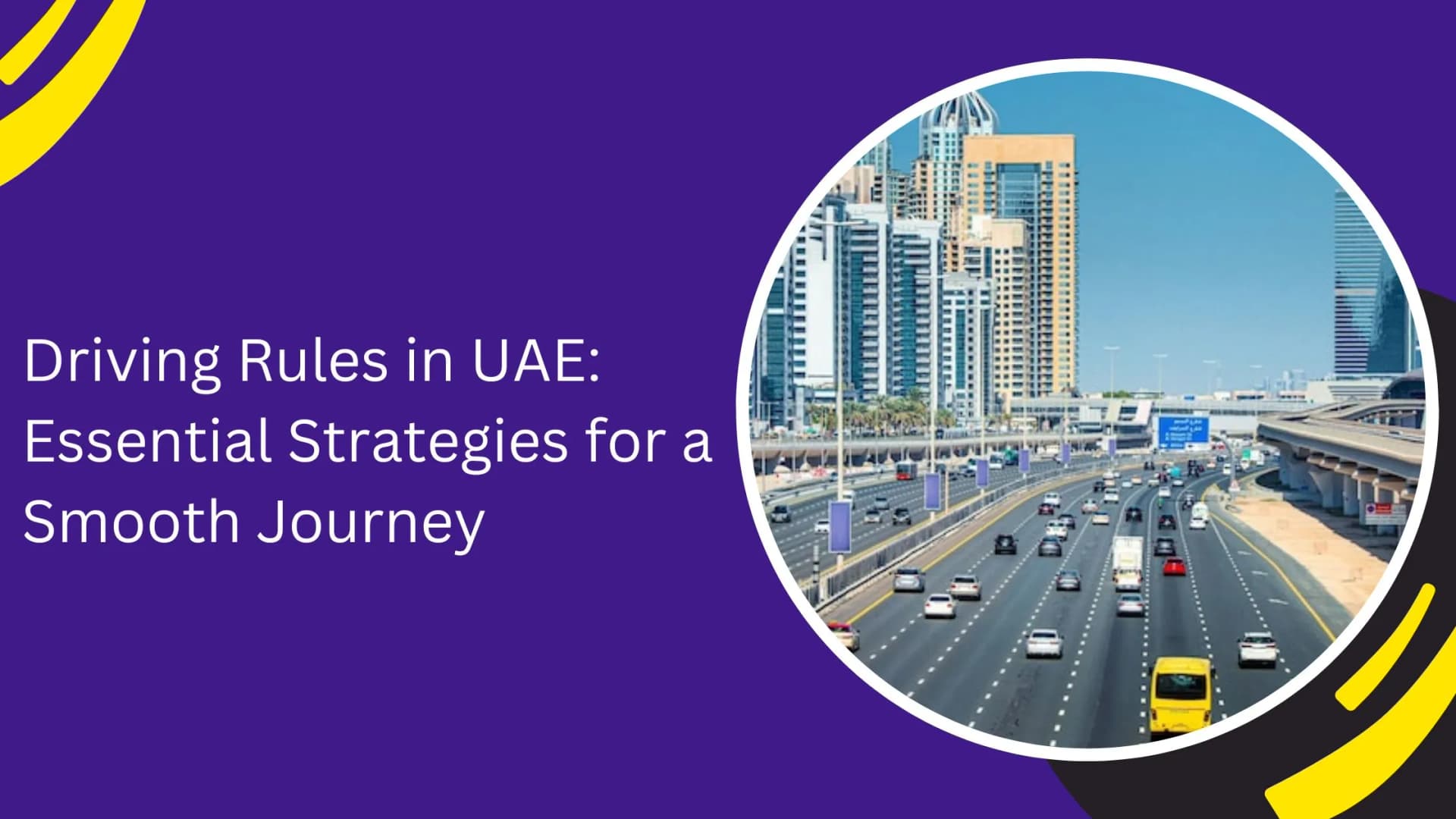
Did you know that the United Arab Emirates has one of the most advanced traffic monitoring systems in the world, yet still issues millions of driving violations each year?
The reason is simple: many drivers, especially tourists and new residents, are unfamiliar with strict but well-structured traffic laws in cities like Dubai and Abu Dhabi.
In the UAE, driving is not just about mobility, it is about discipline, awareness, and compliance. Even minor mistakes such as sudden lane changes or slightly exceeding speed limits can result in heavy fines, black points, or even vehicle confiscation.
The country’s transport ecosystem, regulated by authorities such as the Roads and Transport Authority, is designed to prioritize safety, efficiency, and road discipline.
Before we begin, if you need a reliable way to access vehicles across the UAE, you can explore flexible rental options at Quicklease UAE for convenient and compliant transportation solutions.
Understanding Driving Laws in the UAE
Driving laws in the UAE are built on strict enforcement and advanced surveillance systems. Every driver must comply with federal and emirate-level regulations designed to maintain road safety.
Key legal requirements include:
- Valid driving license (UAE license or approved international permit)
- Mandatory seat belts for all passengers
- Zero tolerance policy for driving under the influence
- Hands-free mobile usage only while driving
- Valid vehicle insurance at all times
The UAE uses smart monitoring systems, including radar cameras and AI-based traffic surveillance, to ensure compliance across highways and urban roads.
These rules are not flexible. They are enforced consistently to reduce road accidents and ensure smooth traffic flow across all emirates.
Road Systems, Signs, and Speed Regulations
The road infrastructure in the UAE is among the most modern globally, with multi-lane highways, smart traffic signals, and digital speed monitoring systems.
Standard speed limits:
- Residential and city roads: 60–80 km/h
- Major urban roads: 80–100 km/h
- Highways: 100–120 km/h
- School zones: 30–40 km/h
Speed enforcement is handled through fixed and mobile radars. Many highways also use average speed tracking systems, meaning sustained speeding—not just spikes—can lead to fines.
Important signage rules:
- Red signals must always be fully obeyed
- Lane discipline is strictly monitored
- Emergency lanes are reserved only for official use
- Directional signs must be followed without sudden deviation
Understanding signage is especially important for tourists who are not familiar with Arabic and English bilingual road systems.
Traffic Violations and Fine Structure
Traffic violations in the UAE are categorized based on severity, ranging from minor fines to serious penalties like license suspension.
Common violations include:
- Speeding beyond posted limits
- Running red lights
- Using mobile phones while driving
- Not wearing seat belts
- Unsafe lane changes or tailgating
Penalty system may include:
- Monetary fines (vary based on violation severity)
- Black points added to driving record
- Vehicle impoundment for repeated violations
- License suspension in extreme cases
The system is designed to discourage reckless driving behavior and promote long-term behavioral discipline on roads.
Defensive Driving Practices in the UAE
Driving safely in the UAE requires a defensive mindset rather than a reactive one.
Best defensive driving strategies:
- Maintain at least a 2–3 second gap between vehicles
- Always check blind spots before lane switching
- Avoid sudden braking or acceleration
- Use indicators well in advance
- Stay in the correct lane based on speed
Highway discipline:
On highways, the left lane is typically reserved for faster-moving vehicles. Blocking this lane unnecessarily can result in penalties in some emirates.
Weather conditions:
During fog, rain, or sandstorms, visibility can drop significantly. In such cases:
- Reduce speed immediately
- Increase following distance
- Avoid using high beams unnecessarily
Renting a Car in the UAE: Rules & Requirements
Car rentals are a popular option for tourists and short-term residents due to the UAE’s road-friendly infrastructure.
Companies like Quicklease UAE provide flexible rental options across major cities, including Dubai, Abu Dhabi, and Sharjah.
Requirements for renting a car:
- Valid driving license or international driving permit
- Passport and visa copy (for tourists)
- Minimum age requirement (usually 21–25 depending on car type)
- Credit card or security deposit
Important considerations:
- Always review insurance coverage (basic vs full coverage)
- Understand mileage limitations
- Check fuel policy before signing agreement
- Inspect the vehicle condition before driving
Always rent from licensed and regulated providers to ensure legal protection, insurance validity, and compliance with UAE transport laws.
Practical Driving Tips for Tourists and Residents
Driving in a new country can be challenging, but following a few practical tips can significantly reduce risk.
Essential tips:
- Use GPS navigation apps for real-time updates
- Avoid peak traffic hours in Dubai and Abu Dhabi
- Respect roundabout rules (vehicles inside have priority)
- Keep emergency contact numbers saved
- Always carry required documents while driving
Common mistakes to avoid:
- Ignoring speed buffer zones
- Misinterpreting lane markings
- Parking in unauthorized zones
- Assuming tolerance for minor violations
Understanding local driving culture is as important as knowing formal laws.
Frequently Asked Questions:
Q1: What are the basic driving rules in UAE?
A: Drivers must follow speed limits, obey traffic signals, wear seat belts, avoid mobile phone usage while driving, and maintain valid insurance and licenses at all times.
Q2: Can foreigners drive in the UAE?
A: Yes, tourists and residents can drive using a valid international driving permit or a license approved by UAE authorities, depending on their country of origin.
Q3: What happens if I break traffic rules in the UAE?
A: Violations may result in fines, black points on your license, vehicle impoundment, or suspension depending on severity.
Q4: Are speed cameras widely used in UAE?
A: Yes, advanced radar systems and AI-based monitoring are used across highways and cities to enforce speed regulations.
Q5: Is driving in UAE safe for beginners?
A: Yes, the UAE has a highly organized road system. However, strict compliance with rules is necessary to ensure safety and avoid penalties.
Conclusion
Driving in the UAE is a structured and highly regulated experience designed to ensure safety, efficiency, and discipline across all road users.
For a smooth and flexible driving experience, you can explore reliable vehicle rental options at Quicklease UAE.
Key Takeaways
- UAE driving laws are strictly enforced with smart surveillance systems
- Speed limits vary by road type and must always be respected
- Defensive driving reduces risk and penalties
- Car rentals require proper documentation and insurance checks
- Understanding local rules ensures a safe and smooth journey
Driving in the UAE? Learn rules, speed limits, fines, and safety tips for Dubai & Abu Dhabi. A complete 2026 guide to help tourists and residents drive safely and avoid penalties across the UAE road network.


