


Traffic Rules in the UAE: What Every Driver Should Know
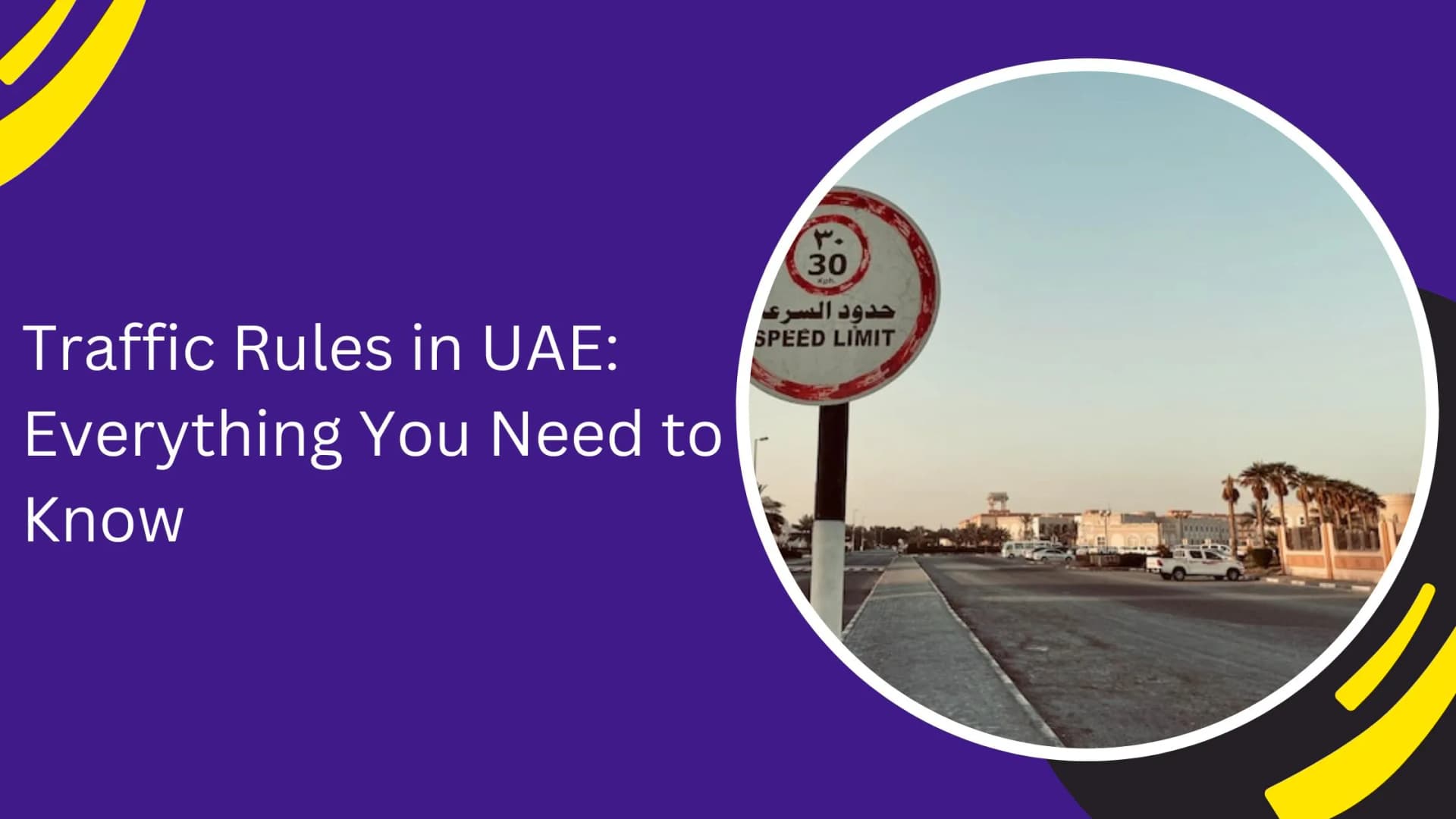
Dubai is one of the world's most practical places to drive, but it is also a city where the wrong transport choice can cost more than expected. This guide is written for renters, visitors, residents and business travellers who want a clear answer before they book. The focus is simple: understand the real situation, compare the right options, avoid avoidable charges and choose a vehicle or service that fits the trip. Instead of repeating generic advice, this article explains the Dubai and UAE context behind explain UAE driving rules clearly for residents, tourists and renters.
Quick Answer
UAE roads are well managed, but drivers must understand speed limits, road signs, lane behaviour, parking rules and fines before driving. The smartest decision is to check the rental terms, match the vehicle to your route and confirm costs such as insurance, mileage, tolls, parking, deposits and return rules before payment.
Core Rules Every Driver Should Follow
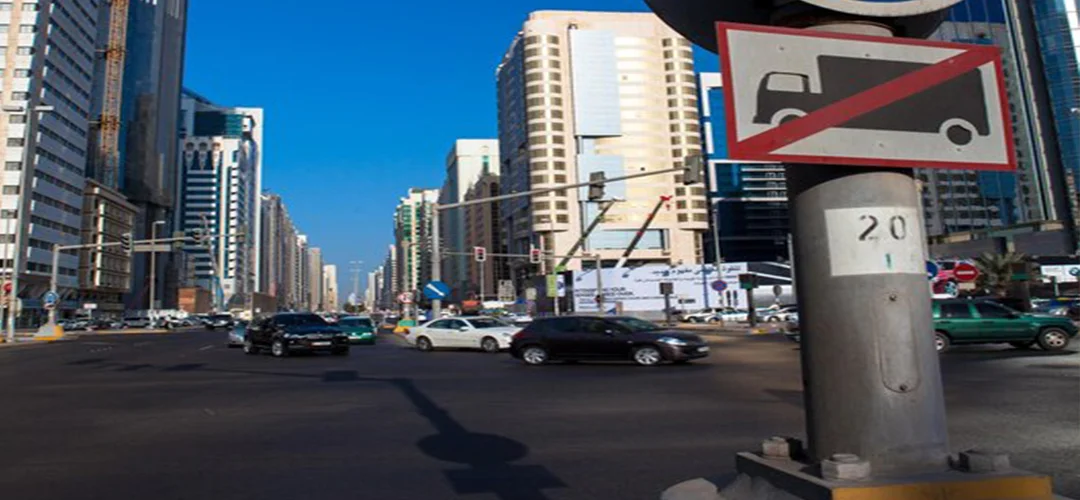
The UAE has a structured road system with clear rules for speed, lane use, overtaking, parking, mobile phone use and seat belts. Drivers should obey posted speed limits, keep safe distance, use indicators before changing lanes and avoid blocking fast lanes. Seat belts are mandatory for all passengers, and children must use appropriate restraints. New drivers and tourists should also spend time understanding UAE traffic signs because sign shapes, lane markings and exit instructions help prevent sudden manoeuvres on high-speed roads.
Safe driving in the UAE depends on planning and calm decision-making. Leave enough distance, read signs early, avoid sudden lane changes and do not let navigation instructions force unsafe manoeuvres. If you are new to the car, adjust mirrors, seating, AC and controls before entering fast roads. A few minutes of preparation can prevent stress later.
Speed, Cameras and Lane Discipline
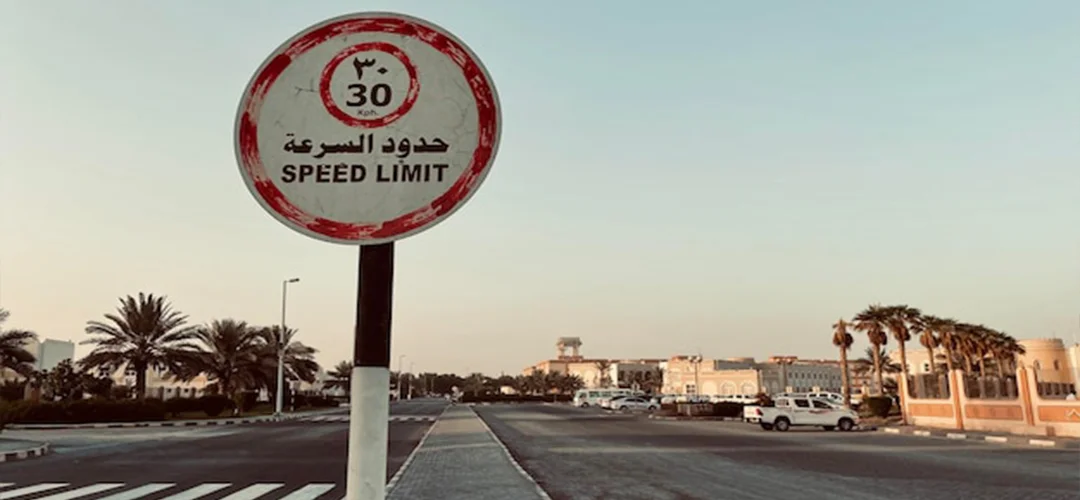
Dubai and other emirates use a wide network of radars, cameras and smart monitoring systems. Speeding, tailgating, jumping red lights and using a phone while driving can result in fines, black points or vehicle impoundment. Lane discipline is especially important on highways. The left lane is generally used for overtaking and faster traffic, while slower vehicles should keep right. Good lane discipline reduces stress and lowers the risk of sudden braking incidents.
The key is to think about the full journey rather than the vehicle alone. Passenger count, luggage, route type, parking, comfort, climate and return timing all affect the experience. When those details are clear, the rental decision becomes simpler and the risk of surprise charges is much lower.
Rental Car Drivers Must Pay Extra Attention

When driving a rental car, the rules are the same, but the billing process may be different. Traffic fines in the UAE, Salik tolls, parking fines and accident-related costs can be passed to the renter through the rental agreement. This is why drivers should read the contract carefully and understand how car rental insurance in Dubai handles accidents, police reports and damage excess. If a route includes toll roads, learn how a Salik account in Dubai works so there are no surprises at return.
The key is to think about the full journey rather than the vehicle alone. Passenger count, luggage, route type, parking, comfort, climate and return timing all affect the experience. When those details are clear, the rental decision becomes simpler and the risk of surprise charges is much lower.
How to Stay Safe on UAE Roads

The best approach is defensive driving. Maintain safe distance, avoid aggressive lane changes, watch for sudden exits, slow down near schools and residential communities, and never assume another driver has seen you. Traffic lights and road safety rules are strictly enforced, but safe driving also depends on judgement. If you are new to Dubai, take a short familiarisation drive before tackling busy roads such as Sheikh Zayed Road or major roundabouts.
The key is to think about the full journey rather than the vehicle alone. Passenger count, luggage, route type, parking, comfort, climate and return timing all affect the experience. When those details are clear, the rental decision becomes simpler and the risk of surprise charges is much lower.
How to Make the Right Decision
Use a simple three-step method. First, define the trip: city commute, airport arrival, family holiday, business meeting, road trip or long-term stay. Second, match the vehicle or service to the trip instead of choosing by price alone. Third, confirm the written terms before payment. This approach works whether you are comparing an economy car, a premium SUV, a chauffeur option or a long-term mobility plan.
For Dubai specifically, remember that heat, traffic, parking, toll roads and high-speed highways all influence the driving experience. A car that looks perfect online may not be the best fit if it lacks luggage space, has restrictive mileage or comes with unclear insurance. The better choice is usually the one that gives confidence from pickup to return.
Common Mistakes to Avoid
- Choosing a car only because the headline price is low.
- Ignoring mileage limits, fuel policy, Salik tolls or parking rules.
- Not checking insurance excess, exclusions and police report requirements.
- Allowing an unauthorised driver to use the vehicle.
- Skipping pickup and return photos of the car condition.
- Leaving booking until peak holiday, weekend or event demand.
Frequently Asked Questions
Can tourists drive in the UAE?
Many tourists can drive with a valid licence and, depending on nationality, an international driving permit. They should confirm requirements before renting.
Are traffic fines charged to rental car users?
Yes. If a fine occurs during your rental period, it is usually passed to the renter along with any administrative fee mentioned in the agreement.
Do UAE roads have speed cameras?
Yes. Speed cameras and smart monitoring systems are widely used across Dubai and other emirates.
What should I do after an accident?
Stop safely, contact police or use the official accident reporting channel, inform the rental company and do not leave without proper documentation.
Is Salik charged separately on rental cars?
Usually yes. Salik tolls are normally billed after the trip or deducted according to the rental provider policy.
Final Recommendation
Before confirming your booking, compare the full rental terms, choose a vehicle that suits the route and passenger needs, and ask for written clarity on insurance, deposits, tolls, mileage and return rules. If the trip involves airport movement, business meetings, family travel or long-term use, consider the relevant rental duration or transport service early so you secure the right option at the right time.
Ready to plan your next trip? Review the most relevant vehicle category or service page, compare the terms carefully and choose the option that gives you the best balance of comfort, cost control and confidence on UAE roads.


